
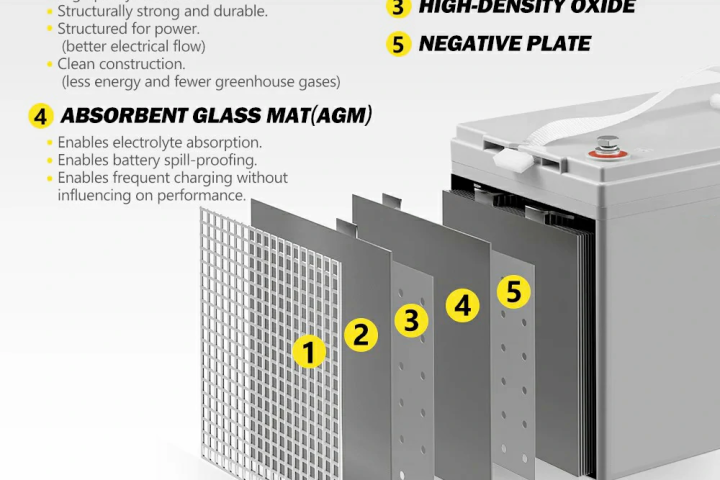
AGM stands for Absorbent Glass Mat, which is a type of maintenance-free, sealed lead-acid battery. In AGM battery, the electrolyte is absorbed into fiberglass mats sandwiched between the battery’s lead plates. This design helps to immobilize the electrolyte and prevent it from spilling, even if the battery case is broken. AGM batteries are known for their high power density, fast recharge rates, and resistance to vibration, making them popular choices for applications such as automotive, marine, and renewable energy systems. They are often used in vehicles with start-stop systems, motorcycles, boats, RVs, and backup power systems.
View more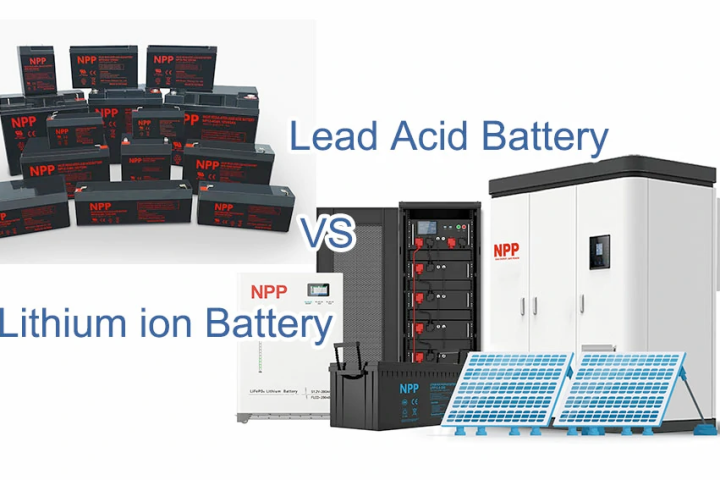
Complete Comparison. Let’s explore the difference between lithium and lead acid battery. Lead-acid batteries and lithium batteries are very common backup power, in choosing which battery is more suitable for your device application, due to the different characteristics of the two batteries, you need to take into account a number of factors, such as voltage, capacity, number of cycles and so on.
View more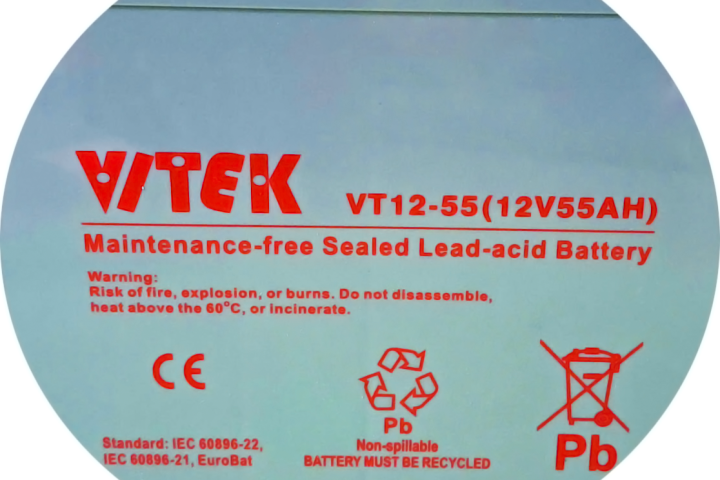
They are maintenance-free and do not require periodic watering, thanks to their sealed construction. This also prevents spillage of acid. SLA batteries have a built-in pressure relief valve that remains closed under normal conditions. If the internal pressure exceeds safe levels (due to excessive overcharging or high temperatures), the valve will release small amounts of gas to prevent damage or rupture.This sealed design, along with the recombination of gases, allows SLA batteries to operate safely and efficiently without the need for ventilation or maintenance.
View more
AGM stands for Absorbent Glass Mat, which is a type of maintenance-free, sealed lead-acid battery. In AGM battery, the electrolyte is absorbed into fiberglass mats sandwiched between the battery’s lead plates. This design helps to immobilize the electrolyte and prevent it from spilling, even if the battery case is broken. AGM batteries are known for their high power density, fast recharge rates, and resistance to vibration, making them popular choices for applications such as automotive, marine, and renewable energy systems. They are often used in vehicles with start-stop systems, motorcycles, boats, RVs, and backup power systems.
Complete Comparison. Let’s explore the difference between lithium and lead acid battery. Lead-acid batteries and lithium batteries are very common backup power, in choosing which battery is more suitable for your device application, due to the different characteristics of the two batteries, you need to take into account a number of factors, such as voltage, capacity, number of cycles and so on.
They are maintenance-free and do not require periodic watering, thanks to their sealed construction. This also prevents spillage of acid. SLA batteries have a built-in pressure relief valve that remains closed under normal conditions. If the internal pressure exceeds safe levels (due to excessive overcharging or high temperatures), the valve will release small amounts of gas to prevent damage or rupture.This sealed design, along with the recombination of gases, allows SLA batteries to operate safely and efficiently without the need for ventilation or maintenance.